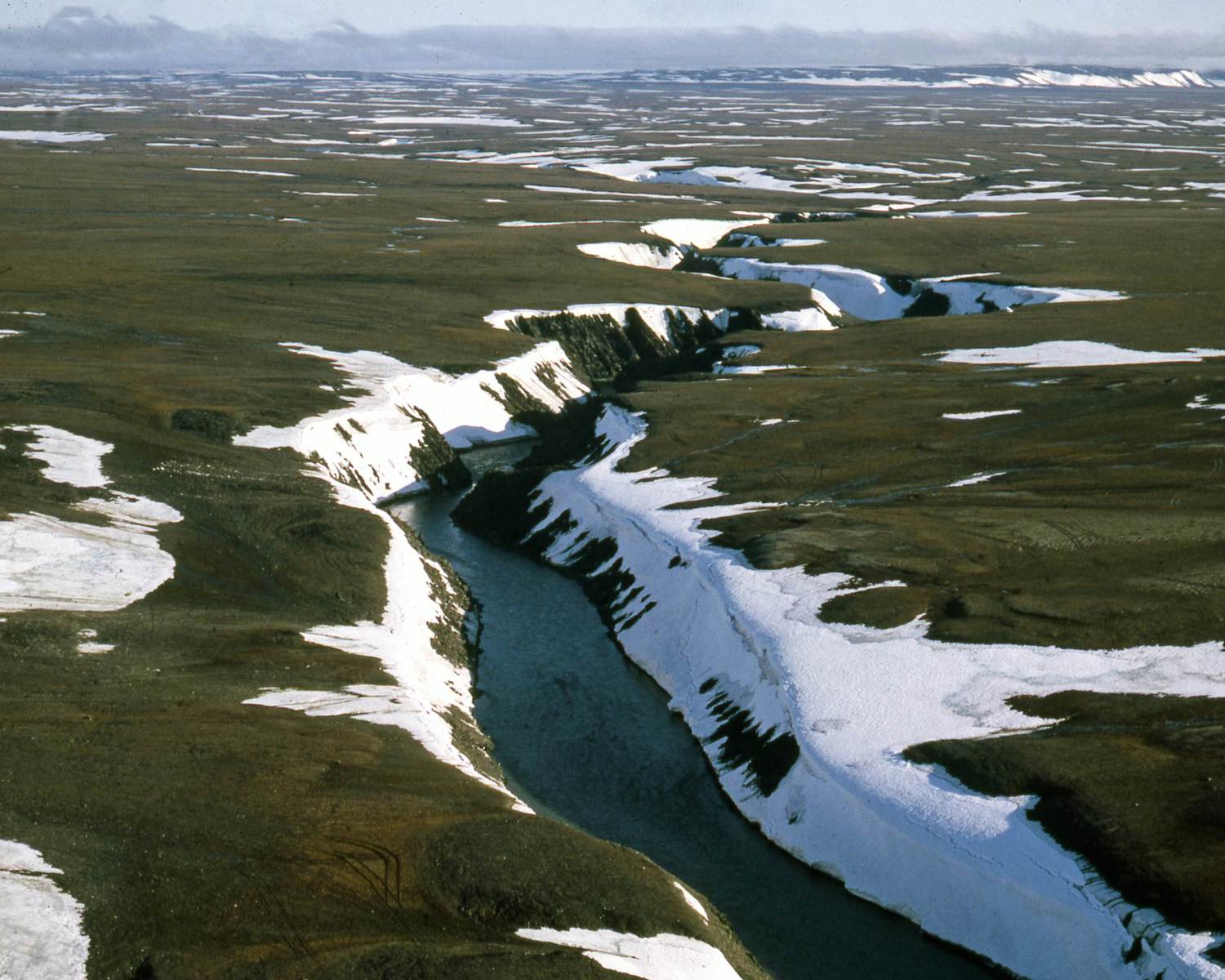
Methane flaring (not industrial)
Apart from proposals to destroy atmospheric methane or capturing it, some have suggested it could be possible to prevent methane from reaching the atmosphere or flaring it.


Apart from proposals to destroy atmospheric methane or capturing it, some have suggested it could be possible to prevent methane from reaching the atmosphere or flaring it.
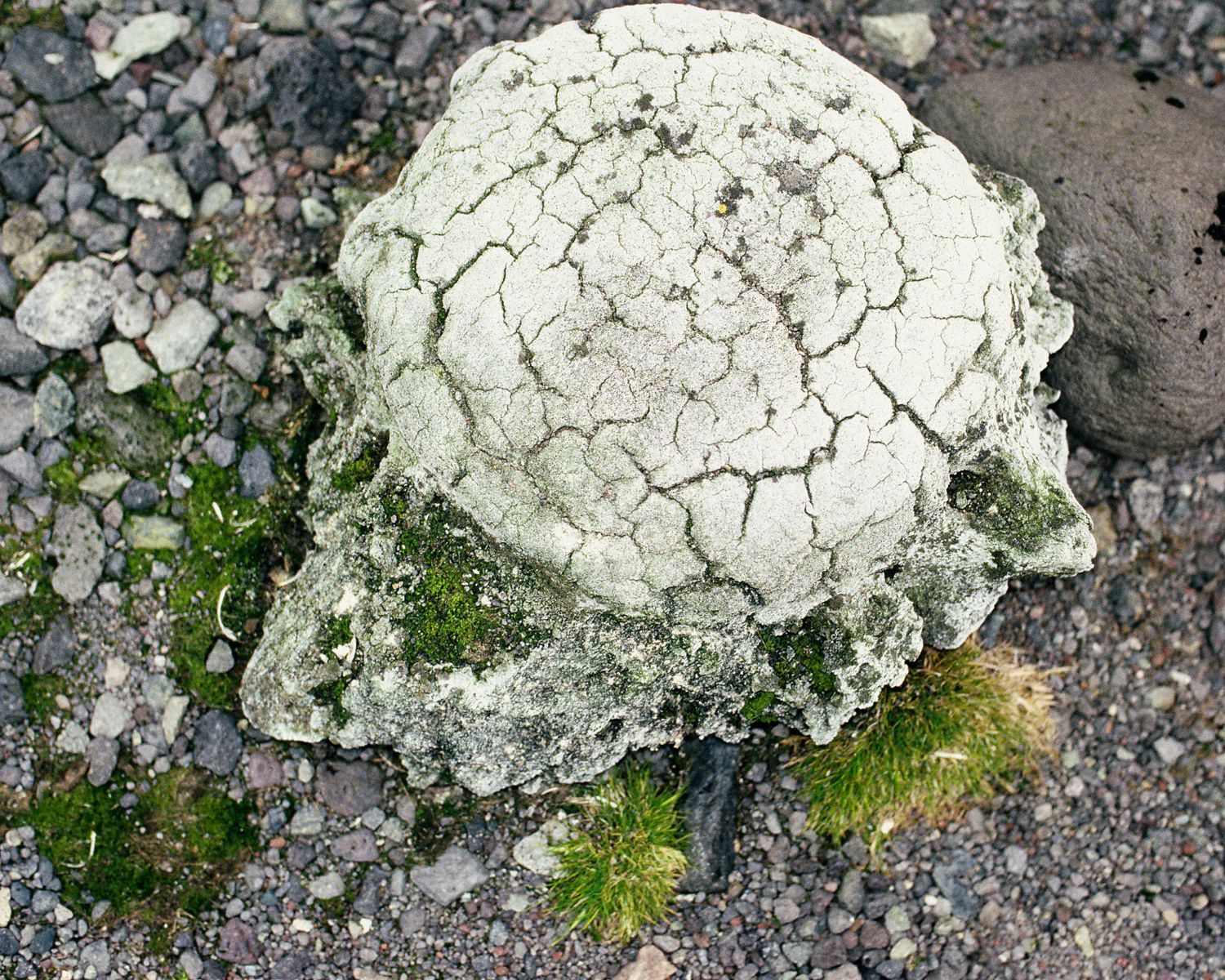
The most widely studied carbon storage technique is the large-scale application of biochar. Biochar is produced when biomass is pyrolysed - a thermal process in which oxygen for combustion is lacking.
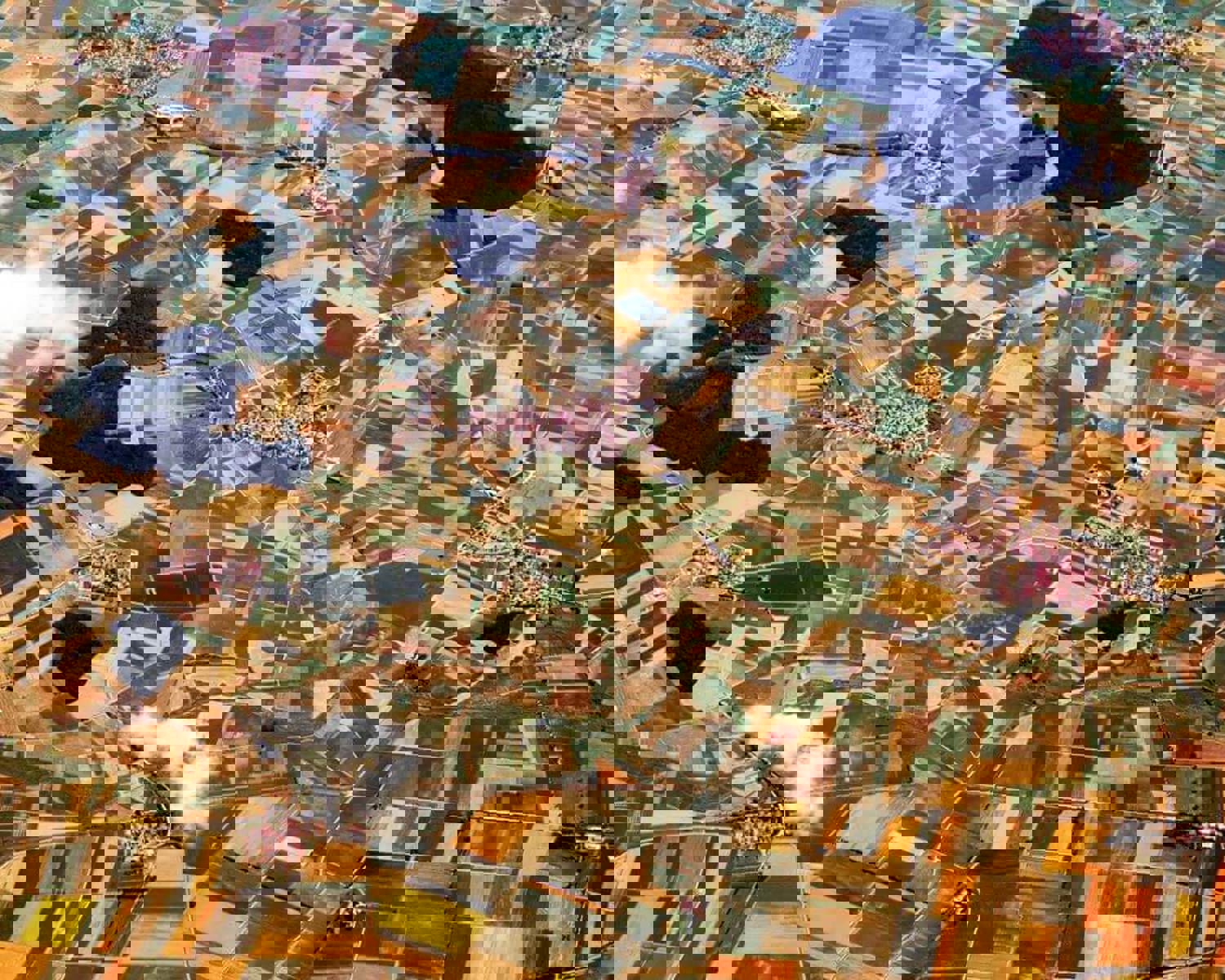
Surface albedo has a significant impact on global climate (Zhang et al. 2022). Plants play an important role in this. Matthews et al. (2003), for example, estimate that the spread of agriculture has led to a global cooling of around 0.17°C, as agricultural crops tend to have a higher albedo than wild vegetation (Monteith and Unsworth 1990).
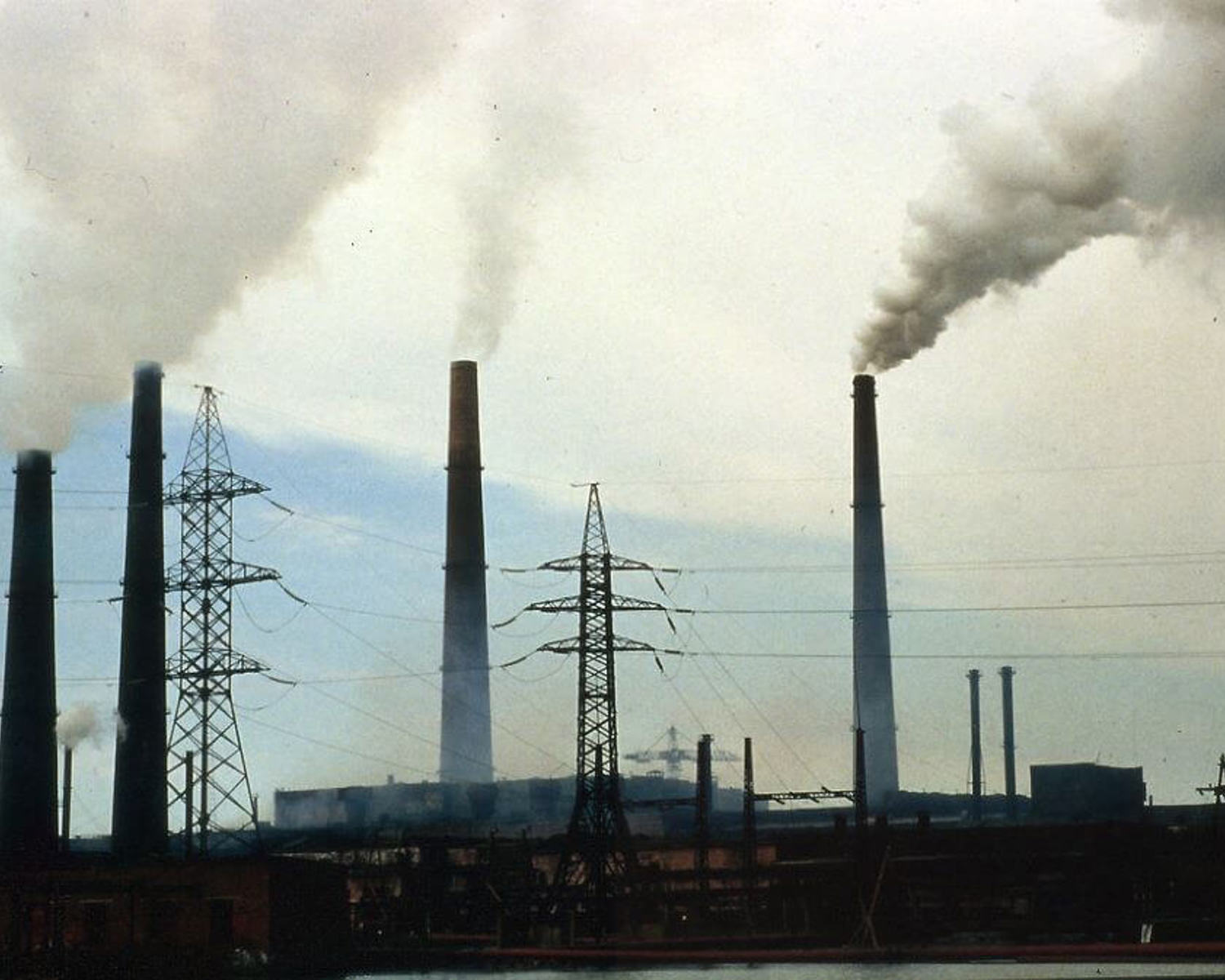
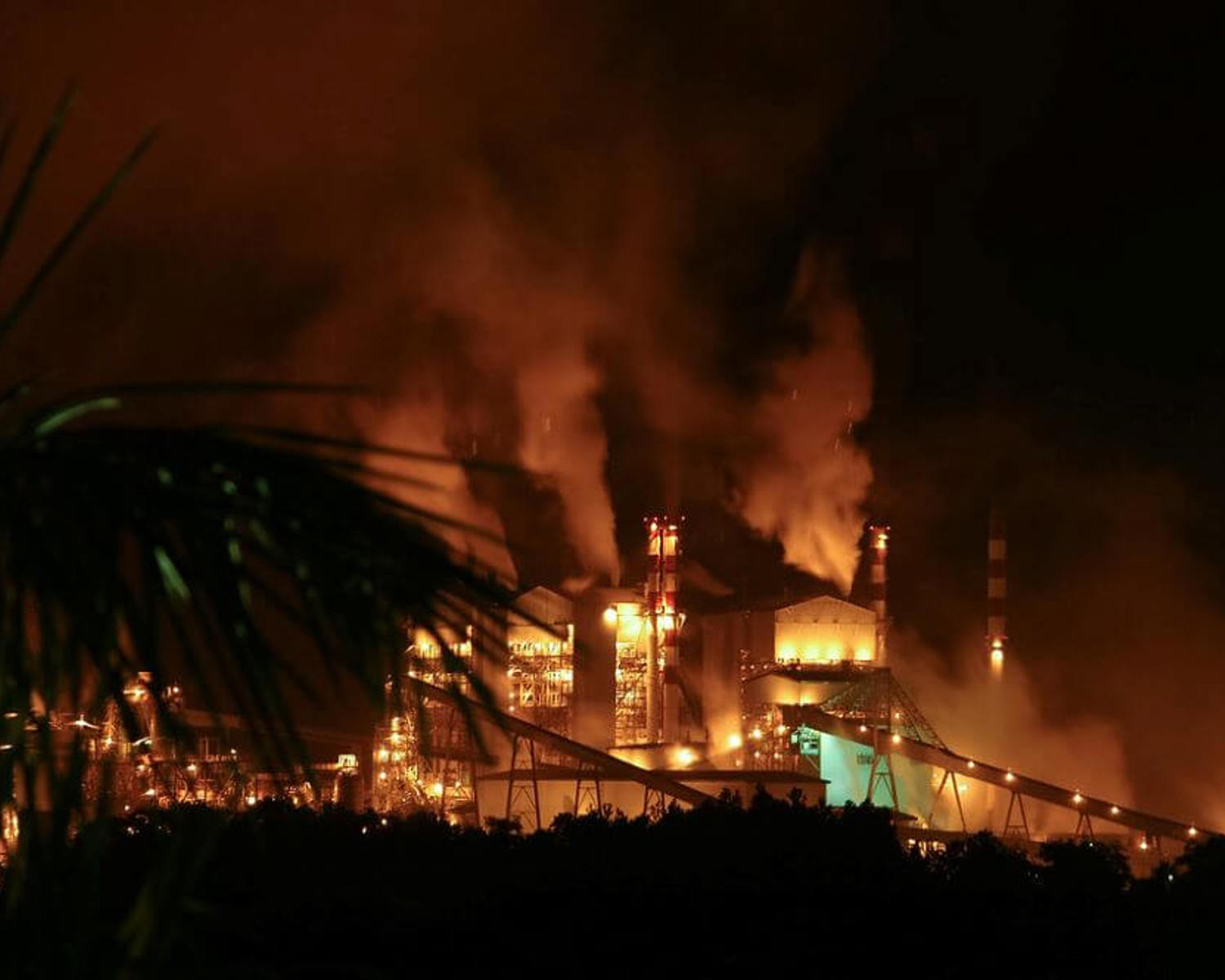
Black Carbon (BC), also known as soot, is produced through the incomplete combustion of fossil fuels and biomaterials. Apart from its negative health impacts, BC also has significant climate effects because it generally has a lower albedo than its surroundings, which increases the amount of radiation absorbed both when BC is present in the atmosphere and when it is deposited on land (Stjern et al. 2017). Due to the large albedo differences, the effects of BC are especially significant in areas that are normally covered in snow or ice (Hadley and Kirchstetter 2012; Sand et al. 2016; Kang et al. 2020).