Industry
The majority of the inorganic carbon on Earth is stored in the oceans. There is a natural carbon exchange between the ocean and the land.
Polar chimneys
Some have suggested modifying incoming and outgoing radiation budgets in the Arctic to mitigate the warming in the region.
Atmospheric Methane destruction: Tropospheric iron salt aerosol injection
Tropospheric Iron Salt Aerosol injection (ISAI) has recently received significant attention as a potential methane mitigation technique.
Black carbon reduction
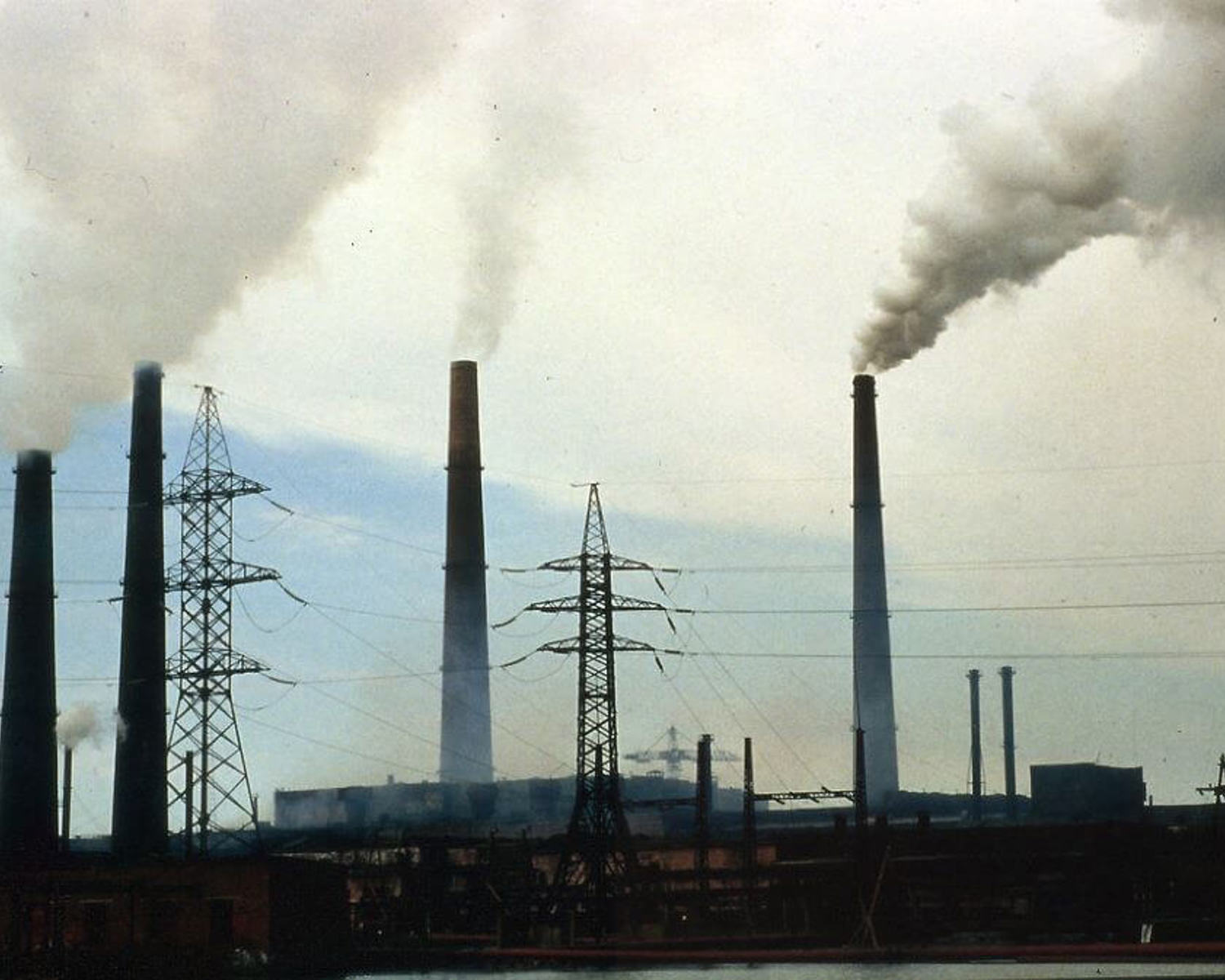
Black Carbon (BC), also known as soot, is produced through the incomplete combustion of fossil fuels and biomaterials. Apart from its negative health impacts, BC also has significant climate effects because it generally has a lower albedo than its surroundings, which increases the amount of radiation absorbed both when BC is present in the atmosphere and when it is deposited on land (Stjern et al. 2017). Due to the large albedo differences, the effects of BC are especially significant in areas that are normally covered in snow or ice (Hadley and Kirchstetter 2012; Sand et al. 2016; Kang et al. 2020).

Carbon capture and storage
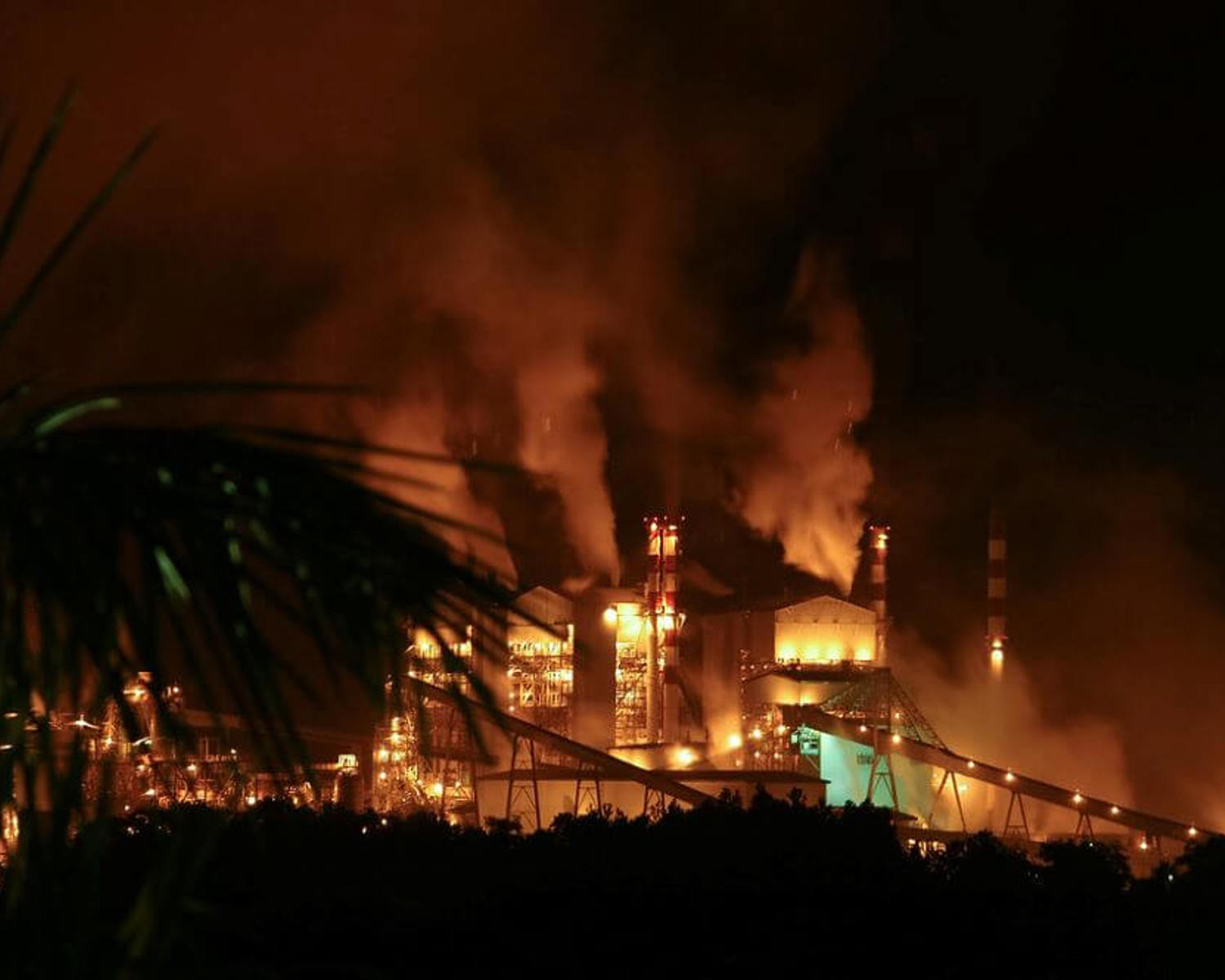
Both emission reductions and CDR measures that actively reduce carbon dioxide are essential to reduce the amount of GHGs in the atmosphere and mitigate the effects of climate change. However, some carbon emissions, especially in the industrial and energy sectors, will be difficult to fully decarbonise.